
German Shepherd Hip Dysplasia: 9 Early Signs Most Owners Miss (2026)
German Shepherd hip dysplasia is one of the most common health problems in this breed. What makes it dangerous is that the early signs are often silent. Many owners notice the problem only when the condition becomes painful and expensive to treat.
In this guide, you will learn the 9 early signs of hip dysplasia most owners miss, how to catch it early, and what to do next to protect your German Shepherd.
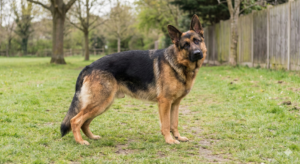
What Is Hip Dysplasia in German Shepherds?
Hip dysplasia is a condition where the hip joint does not fit properly. Over time, this causes joint damage, pain, and arthritis.
German Shepherds are genetically prone to this issue, but early care can slow it down.
Why Early Detection Matters
Catching hip dysplasia early can:
-
Reduce pain later in life
-
Delay arthritis
-
Avoid surgery in many cases
-
Improve quality of life
Most early signs look small, but they matter.
9 Early Signs of Hip Dysplasia Most Owners Miss
1. Difficulty Standing Up
If your German Shepherd struggles to rise from sitting or lying down, this is an early warning sign.
Many owners think it is laziness or age, but it often signals hip discomfort.
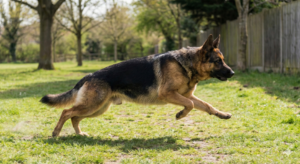
2. Bunny Hopping While Running
Instead of running normally, your dog may move both back legs together.
This movement reduces hip strain and is a classic early sign.
3. Reduced Activity Level
Your dog may:
-
Avoid stairs
-
Stop jumping
-
Rest more than usual
This change often happens gradually, so it is easy to miss.
4. Limping After Exercise
Limping that appears after play or long walks but disappears later is a strong early sign.
Do not ignore temporary limping.
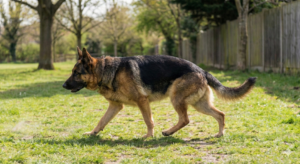
5. Swaying Walk
Some dogs develop a side to side sway in their back end while walking.
This happens when hips are unstable.
6. Sensitivity When Touched Near Hips
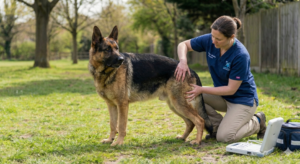
Your dog may flinch, growl, or move away when you touch the hip area.
This is often mistaken for mood changes but is usually pain related.
7. Muscle Loss in Back Legs
Hip pain causes reduced use of back legs, leading to muscle loss.
Compare the back legs to the front legs. Uneven muscle tone is a warning sign.
8. Clicking or Popping Sounds
Some owners hear clicking sounds when their dog walks or stands.
This noise comes from loose hip joints.
9. Behavior Changes
Hip pain can cause:
-
Irritability
-
Less patience
-
Sudden aggression
Pain often changes behavior before physical signs become obvious.
What Causes Hip Dysplasia in German Shepherds?
Main causes include:
-
Genetics
-
Rapid growth as a puppy
-
Excess weight
-
Poor diet
-
Over exercise at a young age
Even well cared dogs can develop it due to genetics.
How Is Hip Dysplasia Diagnosed?
A vet may use:
-
Physical examination
-
X rays
-
Gait analysis
Early diagnosis allows non surgical management.
How to Slow Down Hip Dysplasia Naturally
You cannot cure it, but you can manage it.
Helpful steps:
-
Maintain healthy weight
-
Feed joint friendly diet
-
Use vet approved supplements
-
Avoid slippery floors
-
Provide low impact exercise
🔗 Internal link:
https://petslifetime.com/german-shepherd-exercise-needs-2026/
When Is Surgery Needed?
Surgery is usually considered when:
-
Pain is severe
-
Mobility is limited
-
Medical management fails
Many dogs never need surgery if treated early.
FAQs
At what age does hip dysplasia start in German Shepherds?
Signs can appear as early as 6 months.
Can puppies get hip dysplasia?
Yes, especially during fast growth phases.
Is hip dysplasia painful for dogs?
Yes, especially as it progresses.
Can diet help hip dysplasia?
Yes, weight control and joint support foods help a lot.
Final Thoughts
German Shepherd hip dysplasia does not appear overnight. The signs are quiet, gradual, and often ignored. Paying attention early can save your dog from years of pain.
If you notice even one or two of these signs, consult your vet and act early.
For more German Shepherd health guides, visit our YouTube channel:
👉 https://www.youtube.com/@petslifetime


