
Can German Shepherds Eat Peanut Butter? Safety and Feeding Guide
Introduction
Peanut butter is one of the most popular treats dog owners love to share. But if you have a German Shepherd, you might wonder whether peanut butter is actually safe for them. The good news is that yes, German Shepherds can eat peanut butter — but only if it’s the right kind and given in the right amount.
This guide explains the benefits, risks and the safest way to feed peanut butter to your German Shepherd.
Is Peanut Butter Safe for German Shepherds?
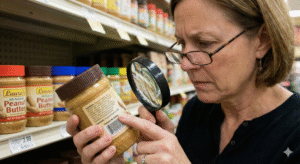
Yes, peanut butter is safe for German Shepherds as long as it does not contain xylitol, a sugar substitute that is deadly for dogs even in tiny amounts. Always check the ingredient label before giving peanut butter to your dog.
Safe peanut butter should contain:
-
Peanuts
-
A small amount of salt (optional)
-
No artificial sweeteners
-
No added sugar
Natural peanut butter is always the best choice.
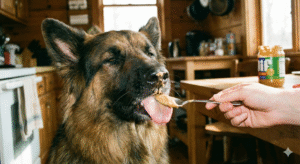
Benefits of Peanut Butter for German Shepherds
Peanut butter isn’t just tasty — it provides real benefits when fed in moderation.
1. Great Source of Protein
Helps build muscle and supports the active lifestyle of a German Shepherd.
2. Healthy Fats for Energy
Peanut butter contains natural fats that give dogs long-lasting energy.
3. Makes Training Easier
A small amount of peanut butter works well as a high-value reward during training sessions.
4. Keeps Dogs Mentally Stimulated
Spread peanut butter inside a Kong toy to keep your German Shepherd busy and mentally active.
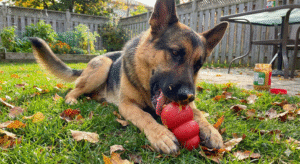
How Much Peanut Butter Can a German Shepherd Eat?
Peanut butter should be treated like a snack because it’s calorie-dense.
Feeding Guidelines
-
Adults: 1 to 2 teaspoons per day
-
Puppies: Half teaspoon per day
-
Overweight dogs: Occasional treat only, not daily
Too much peanut butter can lead to weight gain and stomach upset.
The Right Way to Serve Peanut Butter
Here are the safest and healthiest ways to feed it:
1. Spread in a Dog Toy
Perfect for mental stimulation.
2. Use as a Training Treat
Just a tiny amount on your finger works wonders.
3. Mix a Small Spoon Into Food
Ideal for picky eaters or dogs taking medication.
4. Frozen Peanut Butter Treats
Great for hot weather and teething puppies.
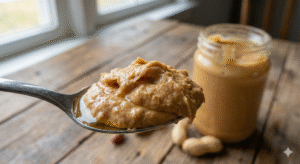
Risks and When to Be Careful
While peanut butter is safe, there are some important risks to watch for:
1. Xylitol
The biggest danger. Even a small amount can cause:
-
Seizures
-
Liver failure
-
Death
Check the label every time.
2. High Calories
Peanut butter can cause rapid weight gain if overfed.
3. Allergies
Some dogs may be allergic to peanuts. Watch for:
-
Itching
-
Vomiting
-
Diarrhea
-
Swelling
4. Digestive Issues
Too much can lead to loose stools.
Healthy Peanut Butter Alternatives
If you want variety, these are safe too:
-
Almond butter (unsweetened)
-
Cashew butter (unsalted)
-
Pumpkin puree
-
Mashed banana
Never give Nutella or chocolate spreads.
If you’re also wondering about other foods German Shepherds can eat, check out our detailed guide on eggs:
👉 https://petslifetime.com/are-eggs-good-for-german-shepherds/
Frequently Asked Questions
1. Can German Shepherds eat peanut butter every day?
Yes, but only tiny amounts. Daily use should be very limited to avoid weight gain.
2. Can German Shepherd puppies eat peanut butter?
Yes, in very small amounts. Make sure it’s natural and xylitol-free.
3. Is crunchy peanut butter safe?
Yes, but creamy peanut butter is safer for puppies to avoid choking.
4. Can peanut butter help with training?
Absolutely. It works as a high-value reward.
5. Can diabetic German Shepherds eat peanut butter?
Only under vet supervision because of fat and sugar content.
6. What brands of peanut butter are safe for dogs?
Any brand that is:
-
Natural
-
Unsweetened
-
Xylitol-free
Brands like Jif Natural and Adams are commonly safe, but always check the label.
Conclusion
Peanut butter can be a fun and nutritious treat for your German Shepherd — as long as it’s natural, xylitol-free and fed in moderation. It supports energy, training and mental stimulation, making it one of the easiest treats to use daily.
Feed safely, start slow and always monitor your dog’s reaction.


