
German Shepherd Diet Guide: What They Should & Shouldn’t Eat
Introduction
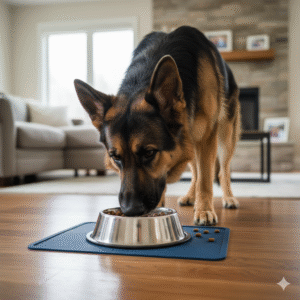
Feeding a German Shepherd the right diet is one of the most important parts of keeping them healthy, strong, and full of energy. Because they’re a large, active breed with fast-growing bones and muscles, their nutritional needs are different from smaller or less active dogs.
Whether you’re a new owner or looking to improve your dog’s diet, this guide will help you understand exactly what your German Shepherd should and shouldn’t eat.
What a Healthy German Shepherd Diet Should Include
A complete diet for a German Shepherd has five essential components:
-
High-quality protein
-
Healthy fats
-
Complex carbohydrates
-
Vitamins
-
Minerals
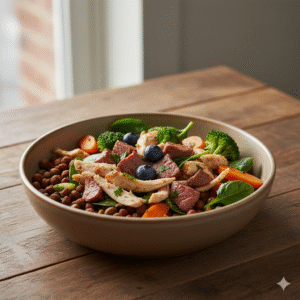
These nutrients help maintain strong muscles, strong bones, a shiny coat, and a healthy immune system.
Good protein sources include:
-
Chicken
-
Turkey
-
Beef
-
Lamb
-
Salmon
-
Eggs
Healthy fats include:
-
Fish oil
-
Chicken fat
-
Flaxseed
-
Salmon oil
These support brain development and coat health.
Carbohydrates:
-
Brown rice
-
Sweet potatoes
-
Oats
-
Barley
Carbs give your Shepherd long-lasting energy.
How Much Should a German Shepherd Eat Daily?
The right feeding amount depends on age, weight, and activity level.
Puppies (2–12 months)
Puppies grow fast and need more calories and protein.
Average meals per day:
-
2–4 months: 4 meals
-
4–9 months: 3 meals
-
9–12 months: 2–3 meals
Adults (1–7 years)
Active adults need:
-
2 to 3.5 cups of food daily (split into 2 meals)
Working or very active Shepherds may need even more.
Seniors (7+ years)
Older Shepherds need fewer calories but more joint-supporting nutrients like glucosamine.
Best Foods Your German Shepherd Should Eat
1. Lean Meats
Chicken, turkey, beef, and lamb provide strong muscle support.
2. Fish
Salmon and sardines offer omega-3s for skin and coat health.
3. Vegetables
Safe options include:
-
Carrots
-
Pumpkin
-
Green beans
-
Broccoli (small amounts)
-
Spinach
These provide fiber and vitamins.
4. Fruits
Safe fruits include:
-
Apples (no seeds)
-
Blueberries
-
Bananas
-
Watermelon (no seeds or rind)
5. Healthy Grains
Brown rice and oats are gentle on the stomach and provide energy.
6. Eggs
Scrambled or boiled eggs make a great protein booster.
Foods German Shepherds Should Never Eat
Some foods are toxic or dangerous for German Shepherds.
Absolutely avoid:
-
Chocolate
-
Grapes and raisins
-
Onions and garlic
-
Avocado
-
Alcohol
-
Caffeine
-
Macadamia nuts
-
Xylitol (found in sugar-free gum and some peanut butters)
Avoid because they cause stomach issues:
-
Spicy foods
-
Fatty leftovers
-
Cooked bones (they splinter)
-
Raw yeasted dough
If your dog eats any dangerous food, call your vet immediately.
Can German Shepherds Eat Raw Food?
Some owners choose a raw diet (BARF diet). While raw feeding can work, it must be done safely and carefully to avoid bacteria and nutrient imbalance.
Consider raw feeding only if:
-
You understand proper raw diet balancing
-
You follow vet-approved recipes
-
You store and prepare foods properly
For beginners, high-quality commercial raw diets are safer.
Best Commercial Dog Foods for German Shepherds
Look for dog foods with:
-
22–26% protein
-
12–18% fat
-
Named meat as first ingredient
-
Omega-3 and omega-6
-
Glucosamine and chondroitin
Popular trusted options (general suggestions):
-
Royal Canin German Shepherd Formula
-
Purina Pro Plan Large Breed
-
Hill’s Science Diet Large Breed
-
Orijen
-
Taste of the Wild
Choose what fits your dog’s needs and your budget.
Safe Treats for German Shepherds
Healthy treat choices include:
-
Carrot sticks
-
Apple slices
-
Freeze-dried meat treats
-
Peanut butter (xylitol-free)
-
Pumpkin cubes
Avoid giving too many treats — they should be less than 10% of daily calories.
Homemade Food for German Shepherds
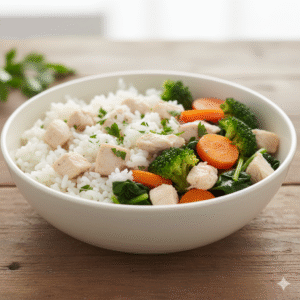
If you want to prepare homemade meals, include:
-
Lean meat
-
Vegetables
-
A grain or carb
-
A vitamin + mineral supplement
Homemade diets must be balanced. Consult your vet for a proper recipe.
How to Tell If Your German Shepherd’s Diet Is Working
Signs of a good diet:
-
Shiny coat
-
Healthy weight
-
Good energy levels
-
Firm stools
-
Clear eyes
-
No excessive shedding
Signs of a poor diet:
-
Dull coat or dry skin
-
Low energy
-
Constant gas or diarrhea
-
Weight loss or gain
-
Itching or allergies
Switch foods slowly if needed.
Feeding Mistakes to Avoid
-
Don’t change diets suddenly
-
Don’t feed table scraps regularly
-
Don’t overfeed puppies
-
Don’t skip meals for active dogs
-
Don’t rely on treats as meals

Frequently Asked Questions
1. What is the best diet for a German Shepherd?
A balanced diet with meat, vegetables, healthy fats, and grains works best.
2. Can German Shepherds drink milk?
Most dogs are lactose intolerant, so avoid giving milk.
3. Is rice good for German Shepherds?
Yes, brown or white rice is safe and easily digestible.
4. Can German Shepherds eat eggs every day?
Eggs are healthy but should be given in moderation.
5. How often should I feed my German Shepherd?
Twice a day for adults, 3–4 times for puppies.
Conclusion
A healthy diet is the foundation of a long, active, and happy life for your German Shepherd. With the right balance of nutrients, safe foods, and feeding habits, your dog will thrive physically and mentally.
If you want to learn even more about German Shepherd care, training, health tips, and real-life examples…
👉 Watch our videos on Pets Lifetime here:
🎥 https://www.youtube.com/@petslifetime


