
German Shepherd Hip Dysplasia (Early Stage Focus)
Hip dysplasia is one of the most common health concerns in German Shepherds. The good news is that early-stage hip dysplasia can be managed effectively if detected in time.
This guide explains early signs of German Shepherd hip dysplasia, causes, diagnosis, and practical steps to slow its progression and improve your dog’s quality of life.
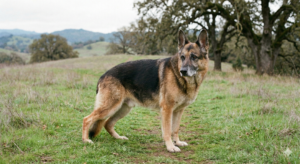
What Is Hip Dysplasia in German Shepherds?
Hip dysplasia is a joint condition where the hip socket does not fit properly. Over time, this causes friction, pain, and arthritis.
German Shepherds are genetically prone to this condition, but lifestyle and care play a major role in how severe it becomes.
Why Early Detection Matters
Early-stage hip dysplasia does not always show obvious pain. Many dogs appear normal but are slowly developing joint damage.
Detecting it early helps:
-
Reduce pain
-
Slow joint degeneration
-
Avoid surgery
-
Improve long-term mobility
Early Signs of Hip Dysplasia in German Shepherds
Look for subtle changes, especially in young dogs.
Common early symptoms include:
-
Difficulty standing up
-
Bunny hopping while running
-
Mild limping after exercise
-
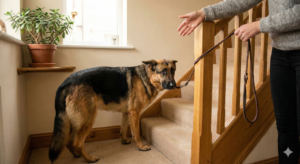
Reluctance to jump or climb stairs
-
Reduced activity level
These signs often worsen after physical activity.
At What Age Does Hip Dysplasia Start?
Hip dysplasia can begin as early as 4–12 months, but symptoms may appear later.
Early-stage cases are often seen in:
-
Fast-growing puppies
-
Overweight dogs
-
Dogs with poor exercise routines
🔗 External authority link:
https://www.akc.org/expert-advice/health/hip-dysplasia-in-dogs/
Causes of Early Hip Dysplasia
Hip dysplasia is influenced by multiple factors.
Main causes include:
-
Genetics
-
Rapid growth
-
Overfeeding
-
Excessive jumping in puppies
-
Poor-quality diet
🔗 Internal link:
https://petslifetime.com/german-shepherd-puppy-feeding-schedule-2026/
How Vets Diagnose Early Hip Dysplasia
Diagnosis usually includes:
-
Physical examination
-
Gait observation
-
X-rays
Early diagnosis may require sedation for accurate imaging.
Can Early-Stage Hip Dysplasia Be Treated?
Yes. While it cannot be cured, it can be managed very successfully.
Best Treatments for Early-Stage Hip Dysplasia
1. Weight Management
Keeping your German Shepherd lean reduces joint stress.
Even small weight loss can significantly reduce pain.
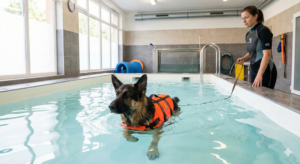
2. Controlled Exercise
Avoid high-impact activities.
Best exercises include:
-
Leash walking
-
Swimming
-
Gentle play
🔗 Internal link:
https://petslifetime.com/german-shepherd-exercise-needs-2026/
3. Joint Supplements
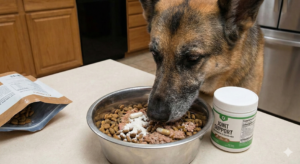
Common vet-recommended supplements:
-
Glucosamine
-
Chondroitin
-
Omega-3 fatty acids
These support joint lubrication and reduce inflammation.
4. Diet Adjustments
Nutrition plays a huge role in joint health.
Diet tips:
-
High-quality protein
-
Controlled calcium
-
Omega-rich foods
🔗 Internal link:
https://petslifetime.com/german-shepherd-diet-guide/
Things to Avoid in Early Hip Dysplasia
-
Jumping from heights
-
Hard running on slippery floors
-
Excessive stairs
-
Overfeeding
-
Ignoring early signs
Small changes make a big difference.
Will My German Shepherd Need Surgery?
Most early-stage cases do not require surgery.
Surgery is usually considered only if:
-
Pain becomes severe
-
Mobility decreases significantly
-
Conservative treatment fails
Early care often prevents this stage.
FAQs (Voice Search Optimized)
Can a German Shepherd live normally with early hip dysplasia?
Yes. With proper care, many dogs live active, comfortable lives.
Does exercise make hip dysplasia worse?
Wrong exercise does. Controlled, low-impact exercise helps.
Is hip dysplasia painful in early stages?
Pain is often mild but increases if untreated.
Can diet slow hip dysplasia?
Yes. Proper nutrition supports joint health.
Helpful Internal Resources
-
https://petslifetime.com/german-shepherd-behavior-problems-2025/
-
https://petslifetime.com/german-shepherd-shedding-2025-guide/
Final Thoughts
Early-stage hip dysplasia in German Shepherds is manageable when caught in time. Awareness, proper exercise, and joint-friendly care can greatly slow progression and keep your dog comfortable for years.
For more German Shepherd health guides, visit our YouTube channel:
👉 https://www.youtube.com/@petslifetime


