
German Shepherd Training Tips for Beginners
Introduction
German Shepherds are one of the most intelligent and trainable dog breeds in the world. Their loyalty, eagerness to learn, and protective instincts make them excellent companions — but beginners may feel overwhelmed when starting training.
This guide will provide simple, actionable tips to help you train your German Shepherd effectively and build a lifelong bond.
Why Training is Important for German Shepherds
Training isn’t just about obedience — it shapes your dog’s temperament, ensures safety, and strengthens your relationship. German Shepherds are naturally smart and energetic, so without training, they may develop behavioral problems like excessive barking, nipping, or destructive chewing.
Benefits of training:
-
Improves behavior and social skills
-
Keeps your dog mentally stimulated
-
Enhances safety at home and outdoors
-
Builds trust and a strong bond between you and your dog
Start with Basic Commands
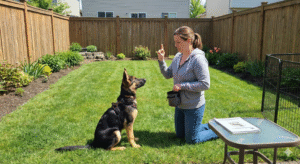
Basic commands are the foundation of any training program. German Shepherds learn quickly when you use consistency and positive reinforcement.
Essential commands for beginners:
-
Sit – Helps control excitement and maintain order
-
Stay – Ensures safety in potentially dangerous situations
-
Come – Useful for recall during walks or play
-
Leave it – Prevents your dog from picking up harmful objects
-
Down – Encourages calm behavior
Training tips:
-
Keep sessions short (5–10 minutes for puppies)
-
Reward immediately with treats, praise, or play
-
Be consistent with commands and gestures
-
Repeat daily, gradually increasing difficulty
Socialization is Key
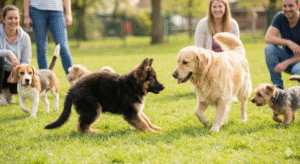
German Shepherds can be protective and cautious around strangers or new environments. Early socialization prevents fear-based aggression and builds confidence.
Tips for socialization:
-
Introduce your puppy to different people, dogs, and pets
-
Take them to parks, streets, and pet-friendly events
-
Reward calm behavior during new experiences
-
Start early (8–16 weeks is ideal)
Proper socialization ensures your German Shepherd grows into a well-balanced adult dog.
Potty Training Tips
House training is one of the first challenges for beginners. German Shepherds are smart and can learn quickly with consistency.
Potty training steps:
-
Take your puppy outside frequently (after meals, naps, and play)
-
Use a consistent spot for elimination
-
Praise and reward immediately after success
-
Avoid punishment for accidents — it can create fear
-
Keep a feeding schedule to regulate bowel movements
Patience and consistency are key to success.
Crate Training
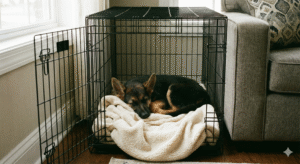
it helps with potty training, provides a safe space, and reduces separation anxiety.
tips:
-
Introduce the crate gradually with treats and toys
-
Make it a positive, comfortable space
-
Never use the crate as punishment
-
Start with short periods and slowly increase duration
Dealing with Common Behavioral Issues
Even well-trained German Shepherds may face behavioral challenges. Here’s how to manage them:
1. Excessive Barking
-
Identify triggers (boredom, strangers, alerting)
-
Provide mental stimulation and exercise
-
Teach “quiet” command using treats
2. Nipping or Chewing
-
Offer chew toys instead of furniture
-
Use redirection and positive reinforcement
-
Avoid aggressive punishment
3. Pulling on Leash
-
Use a harness or head collar
-
Stop walking when they pull, resume when calm
-
Reward walking beside you
Exercise and Mental Stimulation
German Shepherds are high-energy working dogs. Without physical and mental activity, even a trained dog can develop bad habits.
Daily routine:
-
1–2 hours of exercise (walks, runs, play)
-
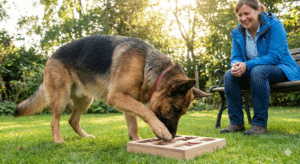
Mental challenges like puzzle toys, scent games, or basic obedience drills
-
Family involvement in training and play
Positive Reinforcement Works Best
Harsh punishment or yelling can damage trust and reduce learning effectiveness. German Shepherds respond best to positive reinforcement:
-
Treats
-
Praise and petting
-
Playtime rewards
Consistency, patience, and encouragement create confident, obedient dogs.
Frequently Asked Questions
1. How long does it take to train a German Shepherd?
Basic commands may take 2–4 weeks with daily practice. Full obedience and socialization can take several months.
2. Can beginners train a German Shepherd?
Yes, with consistency, patience, and a structured plan.
3. Should I hire a professional trainer?
Professional help is useful for advanced training, aggression issues, or specific behavior problems.
4. At what age should training start?
Training should begin as early as 8 weeks, especially socialization and basic commands.
5. How often should training sessions occur?
Short, frequent sessions (5–15 minutes) twice a day work best for puppies; adults can handle longer sessions.
Conclusion
Training a German Shepherd may feel challenging at first, but with patience, consistency, and the right techniques, beginners can achieve amazing results. These intelligent, loyal dogs thrive when given guidance, mental stimulation, and positive reinforcement.
If you want real-life demonstrations of German Shepherd training tips, step-by-step tutorials, and beginner-friendly exercises…
👉 Check out our YouTube channel here: Pets Lifetime


