
Disclosure: Pets Life Time participates in affiliate programs. Product links in this article may earn us a commission at no extra cost to you, it helps keep our content free. Learn more
Most German Shepherds do not hate having their ears cleaned. They hate being surprised by cold liquid, held too tightly, and rushed through something they do not understand. Change those three things and the whole job changes. The dog that pulled away last time will often stand still this time, not because you found a magic product, but because you gave him a reason to trust the routine.
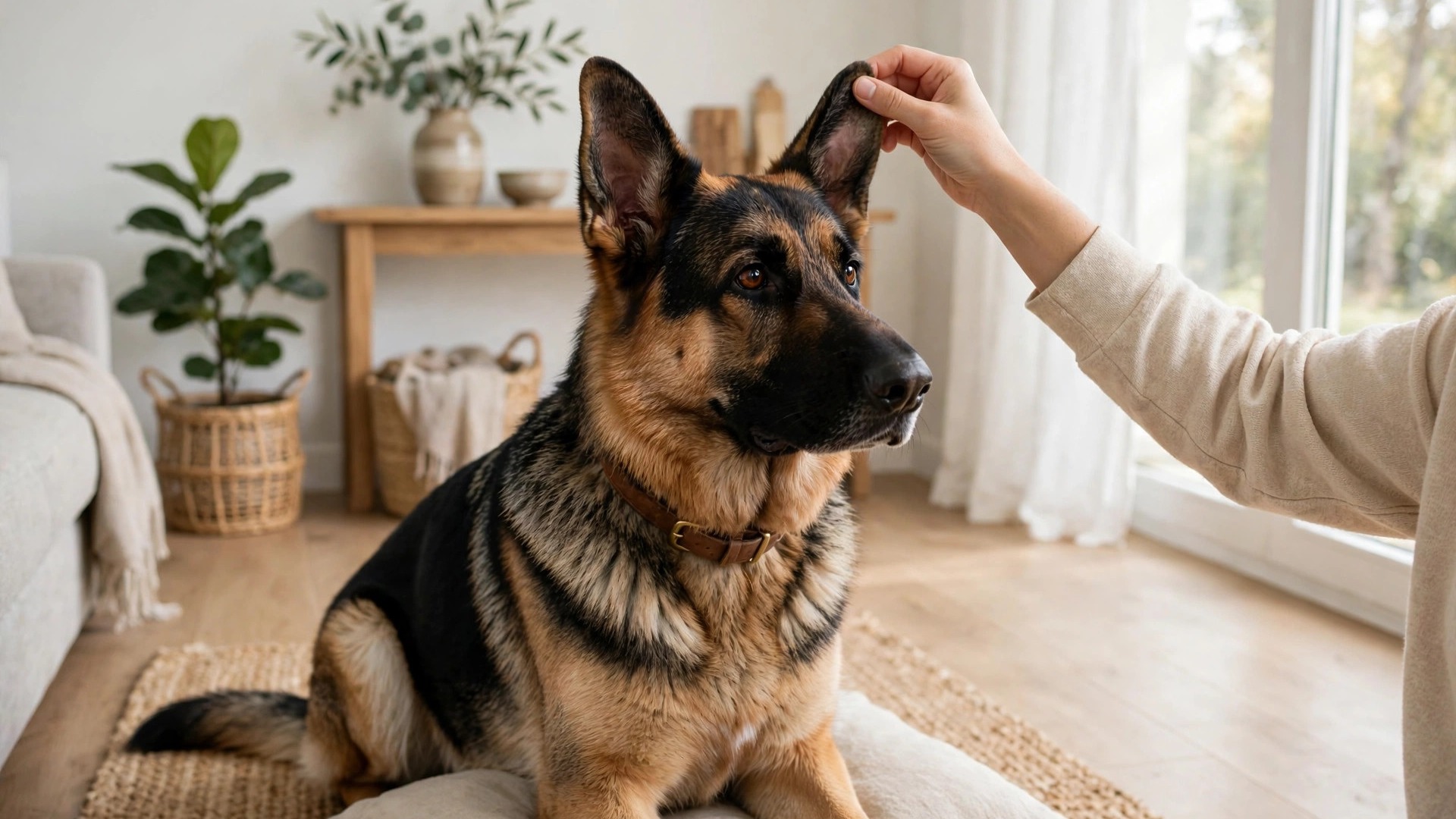
A German Shepherd’s upright ears catch dust, collect wax after a swim, and show trouble early. A quick look once a week tells you more than a rare deep clean. This guide covers healthy ears, timing, cleaner choice, and seven calm steps.
First, Look Before You Clean
Cleaning should never be step one. Looking is. Lift the ear flap gently, in daylight if you can, and check both ears even if only one seems to bother your dog. A healthy ear is pale pink inside, dry or only slightly waxy, and it smells like nothing much at all. A small amount of light brown wax is normal. It is the ear doing its job, moving debris outward on its own.
Stop and call your vet instead of cleaning if you see redness, swelling, a strong odor, discharge, bleeding, a head tilt, or pain when you touch the ear. Cornell University College of Veterinary Medicine lists redness, itching, head shaking, discharge or extra wax, odor, and discomfort when the ear is touched as signs that may point to an infection. Cleaning a sore ear can hurt, and it can push debris deeper or make inflamed skin worse. A vet visit is not an overreaction here. It is the shortcut, because an infection treated early is usually simpler than one cleaned over for two weeks.
How Often Should You Clean Your Dog’s Ears?
There is no single right answer, and anyone who gives you one without asking about your dog is guessing. Cornell’s guidance puts it plainly: for a dog with healthy, normal ears, a routine clean is only needed if dirt or debris is noted, and overcleaning can irritate the ear. Dogs prone to infections, dogs with allergies, and dogs with floppy ears may need cleaning every one to two weeks for maintenance. Treatment cleaning, under a vet’s direction, can be as often as daily at the start. The American Kennel Club gives a similar starting point for most dogs, about once a month, with more frequent care for dogs prone to ear problems.
German Shepherds sit in the middle. Upright ears get more air than floppy ears, so they stay drier, but swimming, dust, and baths still cause buildup. Use this schedule as a starting point.
| Your dog | A sensible starting point | Watch for |
|---|---|---|
| Healthy adult German Shepherd, ears pink and clean | Check weekly, clean only when you see wax or dirt, often about once a month | Wax building up faster than usual |
| Swimmer, or bathed often | Clean and dry the ears after swimming or bathing, as Cornell recommends | Moisture sitting in the canal, head shaking after water play |
| Allergies, or a history of ear infections | Every one to two weeks for maintenance, or exactly what your vet sets | Itching, licking, redness returning between cleans |
| Puppy still learning the routine | Short practice touches several times a week, full clean only when needed | Fear or squirming, which means slow down first |
Cleaning every few days with ears still dirty is a sign to ask your vet why debris keeps returning, often allergies, not a reason to clean harder.
Picking the Right Ear Cleaner
Use a cleaner made for dogs, ideally one your vet has approved for your dog. That one rule rules out most home remedies people suggest online. Cornell advises avoiding anything with alcohol or hydrogen peroxide in it, and VCA Hospitals gives the same warning, noting that those ingredients can irritate the canal, especially if it is inflamed. Human ear drops, essential oils, and vinegar mixes do not belong in a dog’s ear unless your vet has told you otherwise for a specific reason.
Dog ear cleaners are not all the same, and the label differences matter. If your dog has a current infection, skip the shopping and let your vet pick. The right product depends on what is actually in the ear.
| Cleaner type | Good for | Watch out for |
|---|---|---|
| Routine maintenance cleaner | Regular wax and dirt in healthy ears | Will not treat an infection, so do not use it to cover up redness or odor |
| Drying cleaner | Dogs that swim or get bathed a lot | Can dry a healthy ear too much if used every day without a reason |
| Wax dissolving cleaner | Thick, stubborn wax buildup | Can sting a sore ear, ask your vet before using one on red skin |
| Medicated cleaner, vet directed | Ears under treatment | Never guess with these, wrong product or timing can interfere with treatment |
What You Need, and What to Leave in the Drawer
You need a vet approved ear cleaner, cotton balls or gauze pads, a towel, and treats. That is the whole kit. VCA Hospitals adds the key warning: do not use cotton tipped sticks inside the canal. They can push debris deeper or damage the eardrum. Use a fresh pad per ear, and keep the towel ready for the head shake.
The 7 Calm Steps
Work in order, one ear at a time. The job should take about five minutes.
Step 1. Settle first, clean second
Pick a relaxed moment, after a walk or play. For a large dog, having his rear in a corner near a wall stops him backing away without a hard hold. If he is pacing or panting hard, wait.
Step 2. Look, sniff, and decide
Lift the flap, look inside, and sniff gently. Healthy ears have almost no smell. Redness, swelling, strong odor, dark discharge, or pain means stop and book a vet visit.
Step 3. Fill the canal, do not dribble it in
Hold the flap up to straighten the canal, then squeeze cleaner in until the canal is filled. A little spill is fine. Do not push the bottle tip into the ear. If liquid poured in is too much for your dog, soak a cotton ball and squeeze it at the opening instead.
Step 4. Massage the base for about 30 seconds
Massage the base of the ear with slow circles for about 30 seconds. A soft squishing sound means cleaner is loosening wax. Ten seconds is too little, and two minutes of hard rubbing irritates skin.
Step 5. Let him shake
Step back, hold the towel up if you like, and let your dog shake his head. This is not him rejecting the clean. It is part of it. The shake brings loosened debris up and out of the canal, where you can wipe it away.
Step 6. Wipe only what you can see
Wipe the inner flap and canal opening with a fresh pad, working outward, only as far as your finger easily reaches, about one knuckle in. Repeat until a pad comes back clean.
Step 7. Reward, dry, and repeat on the other ear
Give the treat right away, so the dog links clean with reward. Wipe cleaner off his face, check the outer ear is dry, then repeat on the other ear. End with play, which makes the next clean easier.
If your dog yelps or shows pain, stop. Cornell advises consulting your vet, and notes cleanings for severe infection are sometimes delayed until medication eases pain.
If Your Dog Already Dreads Ear Cleaning
Many German Shepherds arrive with history: a rough clean, or a sore ear cleaned before anyone knew. Replace that memory slowly with this seven day plan, with no full clean until the dog is ready.
Days one and two: touch the ears during petting, lift the flap for one second, treat, let go. Days three and four: hold the flap up for a few seconds, touch the inside of the flap with a dry cotton ball, treat. Day five: let him sniff the cleaner bottle, wipe only the outer flap with a cleaner dampened ball, treat. Day six: do the full wipe routine on one ear, no liquid poured in, treat generously. Day seven: try the real seven step clean on one ear only, and stop while you are ahead even if the second ear waits until tomorrow.
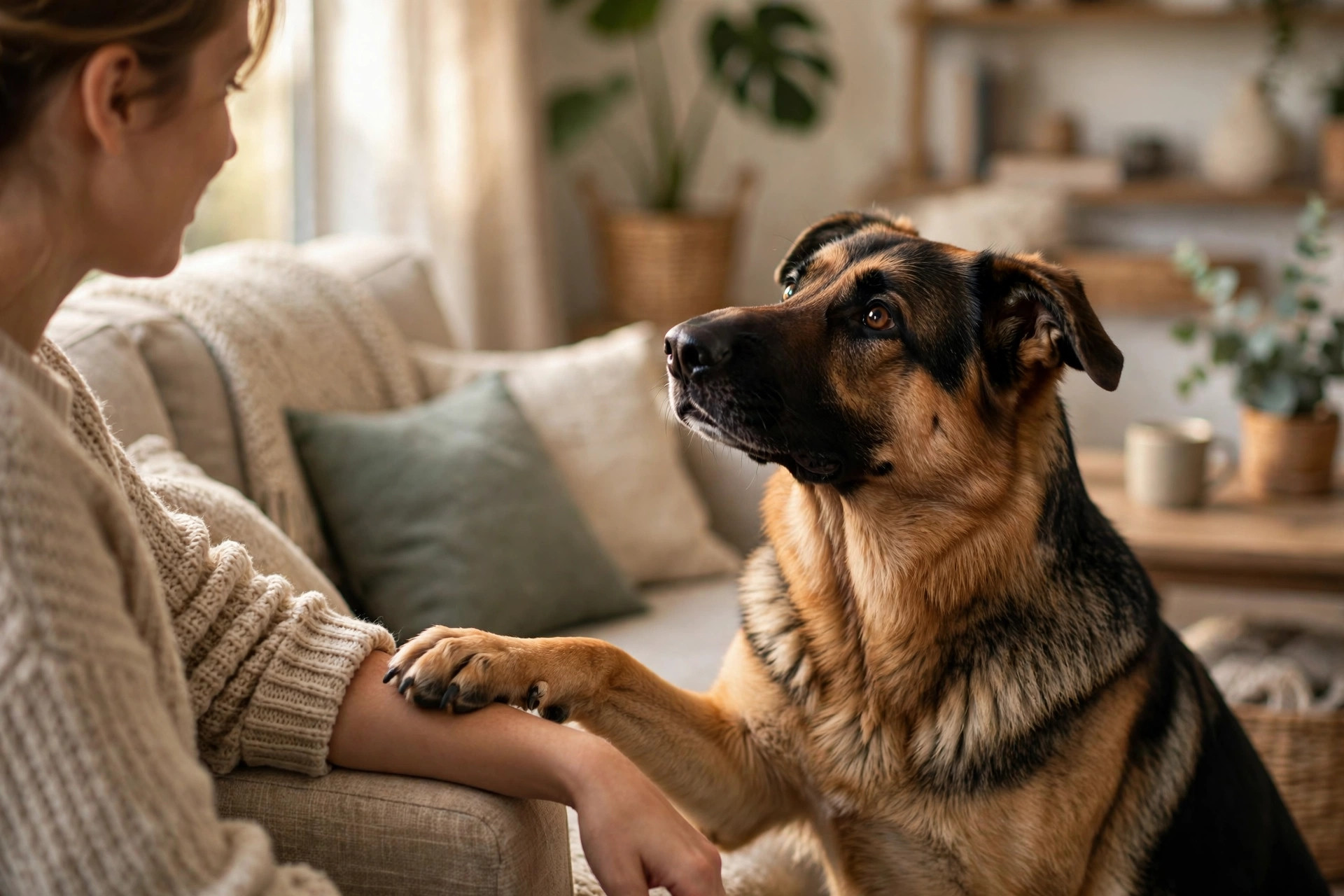
Never trap the dog, and keep sessions short. Three good minutes beat ten that end in a struggle. Our German Shepherd puppy training schedule covers early handling, and ear touches belong in that window.
After Baths and Swims: The Moment Most Owners Miss
Water is the quiet troublemaker. A bath or swim leaves moisture in the canal, where yeast and bacteria can grow, so Cornell recommends a routine clean if ears get wet. Often a wipe and dry is enough. Wash the head with a damp cloth in the bath, and pair bath day with an ear check using our guide on how often to bathe a German Shepherd. Slot the check into our shedding routine too.
Common Mistakes That Turn a Simple Job Into a Fight
Cleaning too often is the first trap. A well meaning owner reads that ear infections are common, so they clean every three days, then wonders why the ears look red. Overcleaning strips the ear’s natural protection and irritates the canal, which can lead toward the very infection they were trying to prevent. Clean on what you see, not on a fear schedule.
Wrong liquid is the second trap: alcohol stings and hydrogen peroxide irritates. Going too deep is the third, since the canal bends and pushing past finger reach can pack wax toward the eardrum. Packed debris is a vet job. Rewarding late is the fourth, so keep treats in your pocket. And if one ear is sore, clean the good ear only and call your vet.
When to Call the Vet Instead of Cleaning
Call your vet promptly if you notice a strong odor, discharge that is yellow, green, bloody, or dark and crumbly, swelling, a head tilt, balance trouble, or pain when the ear is touched. Call too if ear problems keep coming back, or if one ear is always worse than the other. Recurring ear trouble is often tied to allergies, and that link shows up in other places as well. Dogs that lick their paws constantly, for example, are often dealing with the same underlying allergy pattern, which our guide to why dogs lick their paws covers in more detail.
Expect your vet to look inside with an otoscope and often check a debris sample under a microscope, which decides treatment. If ear care is a regular expense, our pet care cost calculator can help budget for visits.
This article is for information only and isn’t a substitute for your vet’s advice.
Ear Cleaning Checklist
- Check both ears first. Pink, dry, and nearly odor free means proceed. Red, smelly, swollen, or painful means vet first.
- Use a fresh cotton ball or gauze pad for each ear.
- Keep the bottle tip out of the ear canal.
- Fill the canal, massage the base for about 30 seconds, then let your dog shake.
- Wipe only what you can see, about one knuckle in, until the pad comes back clean.
- Never use cotton tipped sticks, alcohol, hydrogen peroxide, or human ear products inside the canal.
- Dry the outer ear, reward right away, and note anything unusual for your next vet visit.
- After swimming or bathing, check and dry the ears the same day.
- If buildup keeps returning fast, or one ear is always worse, ask your vet why.
Recommended Products
Recommended
Virbac Epi-Otic Advanced Ear Cleanser
A widely used vet clinic staple for routine cleaning, gentle enough for regular use on healthy ears.
Check Price on AmazonRecommended
Zymox Otic Enzymatic Solution
An enzymatic cleaner many vets recommend for waxy ears. Ask your vet first if the ear is red or sore.
Check Price on AmazonRecommended
Pet MD Ear Wipes for Dogs
Handy for quick wipes of the outer ear between full cleans, especially after dusty walks.
Check Price on AmazonFrequently Asked Questions
How often should I clean my German Shepherd’s ears?
Check weekly, clean when you see wax or dirt, often about once a month for healthy dogs. Swimmers and allergy prone dogs may need every one to two weeks, per your vet.
Can I use water to clean my dog’s ears?
No. Water does not dissolve wax well, and leftover moisture can encourage yeast and bacteria. Use a dog cleaner and dry the outer ear after.
What should I never put in my dog’s ears?
Cotton tipped sticks inside the canal, alcohol, hydrogen peroxide, essential oils, and human ear products. Cornell and VCA warn alcohol and hydrogen peroxide irritate the canal, especially when inflamed.
Why does my dog shake his head after ear cleaning?
It is normal and useful, moving loosened wax out so you can wipe it away. Constant shaking for hours, pain, or a new head tilt needs a vet check.
Can I clean my dog’s ears if they smell bad?
A strong odor usually means yeast or bacteria, not routine dirt. Do not clean through it. Let your vet examine the ear first, then follow their cleaning plan.
Do German Shepherd puppies need ear cleaning?
Mostly handling practice: short touches, flap lifts, and rewards, cleaning only when you see dirt. This article’s method follows the American Kennel Club’s ear infection prevention tips, Cornell University College of Veterinary Medicine’s ear cleaning guide, and VCA Hospitals’ ear cleaning instructions.
Leave a Reply