
Disclosure: Pets Life Time participates in affiliate programs. Product links in this article may earn us a commission at no extra cost to you — it helps keep our content free. Learn more
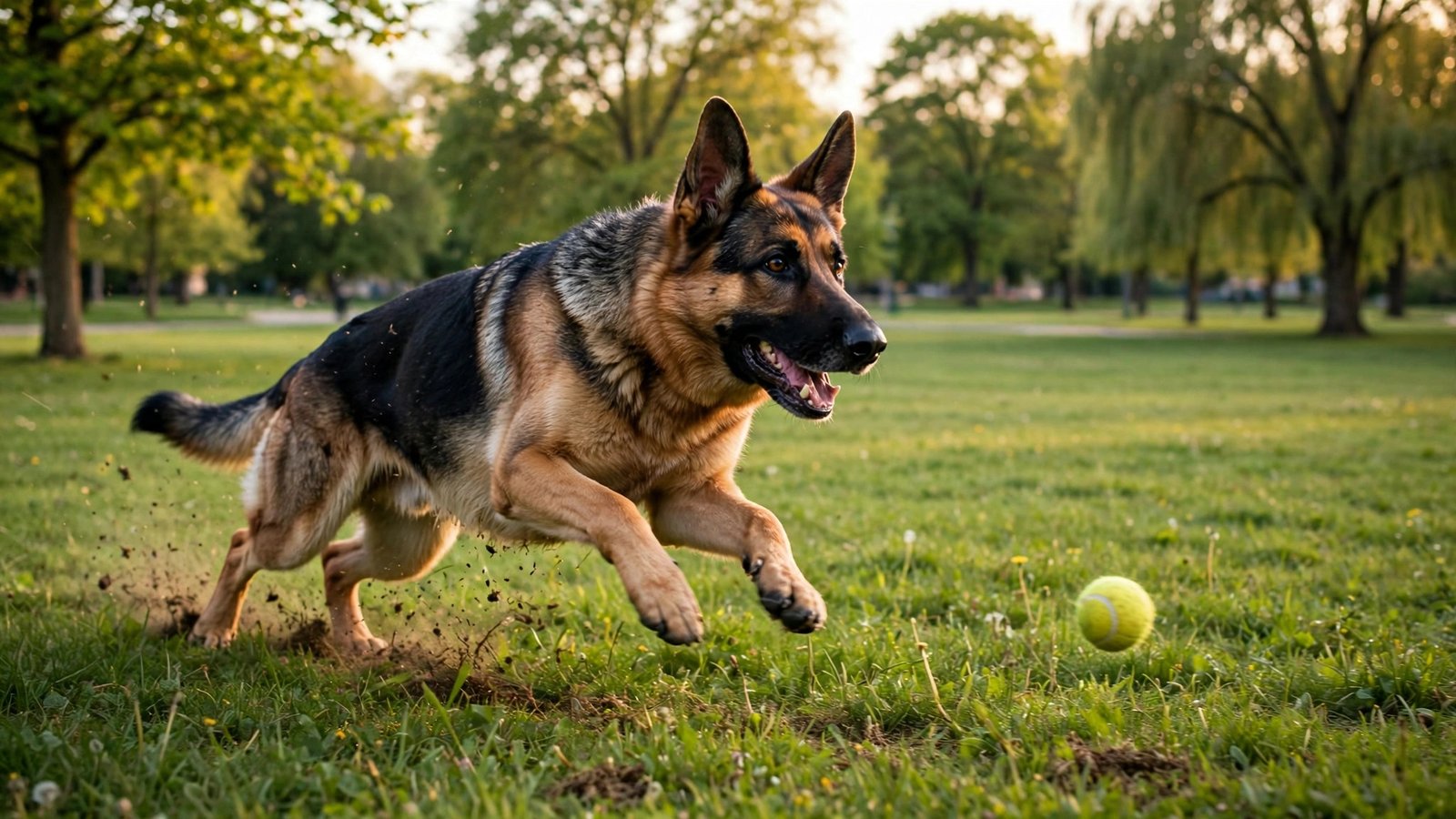
If you’re wondering how much exercise does a German Shepherd need, you’re not alone. If you live with a German Shepherd, you already know the look: the restless pacing at 5 PM, the nose nudging your hand, the full-body bounce when you reach for the leash. German Shepherds are working dogs through and through — they were bred to herd and patrol for hours a day — and that energy doesn’t magically disappear in a suburban backyard.
So how much exercise does a German Shepherd need? The honest answer: a healthy adult German Shepherd needs at least 1.5 to 2 hours of exercise per day, and some high-drive individuals thrive on even more. But “exercise” means more than just a walk around the block.
Table of Contents
The Quick Answer: Exercise Needs by Life Stage
Not every German Shepherd needs the same amount of activity. Here’s a practical guide:
- Puppy (8–16 weeks): 15–20 minutes, spread out — short play sessions, gentle exploration
- Adolescent (4–12 months): 30–60 minutes — two short walks + play, no forced running
- Adult (1–8 years): 90–120+ minutes — walks, fetch, training, mental work
- Senior (8+ years): 30–60 minutes — gentle walks, low-impact activity
Remember that every dog is an individual. A German Shepherd from working lines may need more than the average pet-line dog. When figuring out how much exercise does a German Shepherd need, consider your dog’s individual drive and energy level.
Why 1.5–2 Hours? Understanding the Working Dog Brain
A German Shepherd that doesn’t get enough exercise doesn’t just get bored — it gets destructive. That chewed couch cushion, the shredded door frame, the nonstop barking at the window? These are really just symptoms. This is why understanding how much exercise does a German Shepherd need is so important for preventing behavior problems.
When a German Shepherd’s physical and mental needs are met, the difference is dramatic: a calm, settled dog that sleeps through the night and behaves beautifully in the house. Most behavior problems in this breed trace back to one root cause: not enough to do.
How to Structure Those 2 Hours
Two hours sounds like a lot until you break it into pieces. Most owners succeed with a three-part daily rhythm:
Morning: The big outing (45–60 minutes)
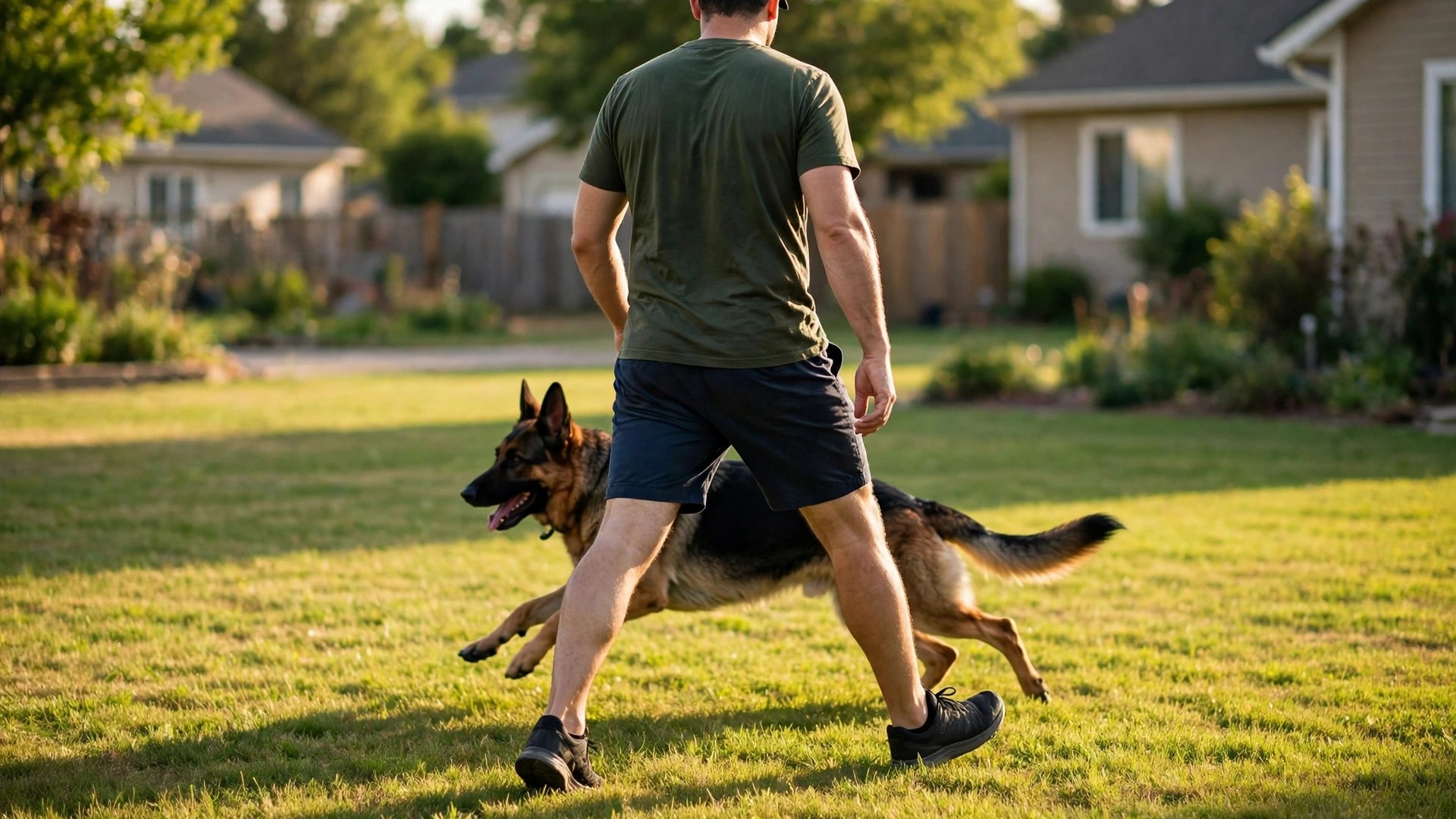
Start the day with a real walk, jog, or hike. A brisk 30-minute walk plus 15–20 minutes of fetch, tug, or flirt-pole play burns the physical edge off. If your dog pulls on the leash, this morning session is also the perfect training ground — practice loose-leash walking while the neighborhood is still quiet.
Midday: Mental work (15–20 minutes)
Mental exercise tires a German Shepherd faster than physical exercise. A 15-minute training session — obedience drills, nose work games, puzzle feeders, or teaching a new trick — can leave your dog more settled than a half-hour jog. Working their brain is not optional for this breed; it’s what they were built for. Puzzle toys are one of the easiest ways to deliver that mental workout — see our roundup of the best toys for German Shepherds.
Evening: The wind-down (30–45 minutes)
A second walk or play session in the evening helps your dog settle for the night. Keep it a touch calmer than the morning: an easy walk, gentle fetch, or a game of “find it” around the yard.
Exercise Rules for Puppies: The 5-Minute Rule
Here’s where many German Shepherd owners go wrong. Puppies need exercise, but their growth plates are still open, and too much forced activity can damage developing joints — a real concern in a breed already prone to hip dysplasia.
Follow the 5-minute rule: for every month of age, give your puppy 5 minutes of structured exercise, twice a day. A 4-month-old puppy gets about 20 minutes per session. Free play on soft ground doesn’t count the same way — let them set their own pace, rest when they want, and avoid:
- Long-distance running or jogging before 18 months
- Repetitive fetch on hard surfaces for young puppies
- Stairs, jumping, and heavy roughhousing with bigger dogs
If you want to know when your puppy is old enough for real workouts, you can track their age precisely with a dog age calculator — it converts your dog’s actual age into human years and life stage, so you always know whether they’re a growing puppy or a ready-to-work adult.
Signs Your German Shepherd Isn’t Getting Enough Exercise
Your dog will tell you, loud and clear. Watch for these signals:
- Destructive behavior — chewing furniture, digging up the yard, scratching doors
- Hyperactivity indoors — the “zoomies” at 11 PM, inability to settle
- Excessive barking — especially at nothing in particular
- Weight gain — an under-exercised dog often becomes an overfed dog too
- Attention-seeking mischief — stealing socks, counter-surfing, jumping on guests
If you recognize two or more of these, the fix usually isn’t more discipline — it’s more exercise. Increase activity for a week and watch the behaviors fade.
Fueling an Active Dog: Don’t Forget Food
More exercise means higher calorie needs, and an underfed active dog will lose condition fast while an overfed couch-day dog gains weight. Working-line German Shepherds burning two hours of daily activity can need significantly more calories than a sedentary one of the same weight.
Dial in the right portions with a dog calorie calculator — just enter your dog’s weight and activity level, and it tells you exactly how much to feed. Revisit the numbers whenever you change your exercise routine, seasonally, or as your dog ages.
Senior German Shepherds: Adapting the Routine
Around age 8, most German Shepherds start slowing down. Arthritis, hip stiffness, and lower stamina mean the 2-hour regime gets dialed back — but not eliminated. Seniors still need daily movement to keep joints mobile and weight in check. Swap the long run for:
- Shorter, more frequent walks (20 minutes, twice a day)
- Swimming — superb low-impact exercise if your dog likes water
- Gentle scent games that work the brain without stressing the body
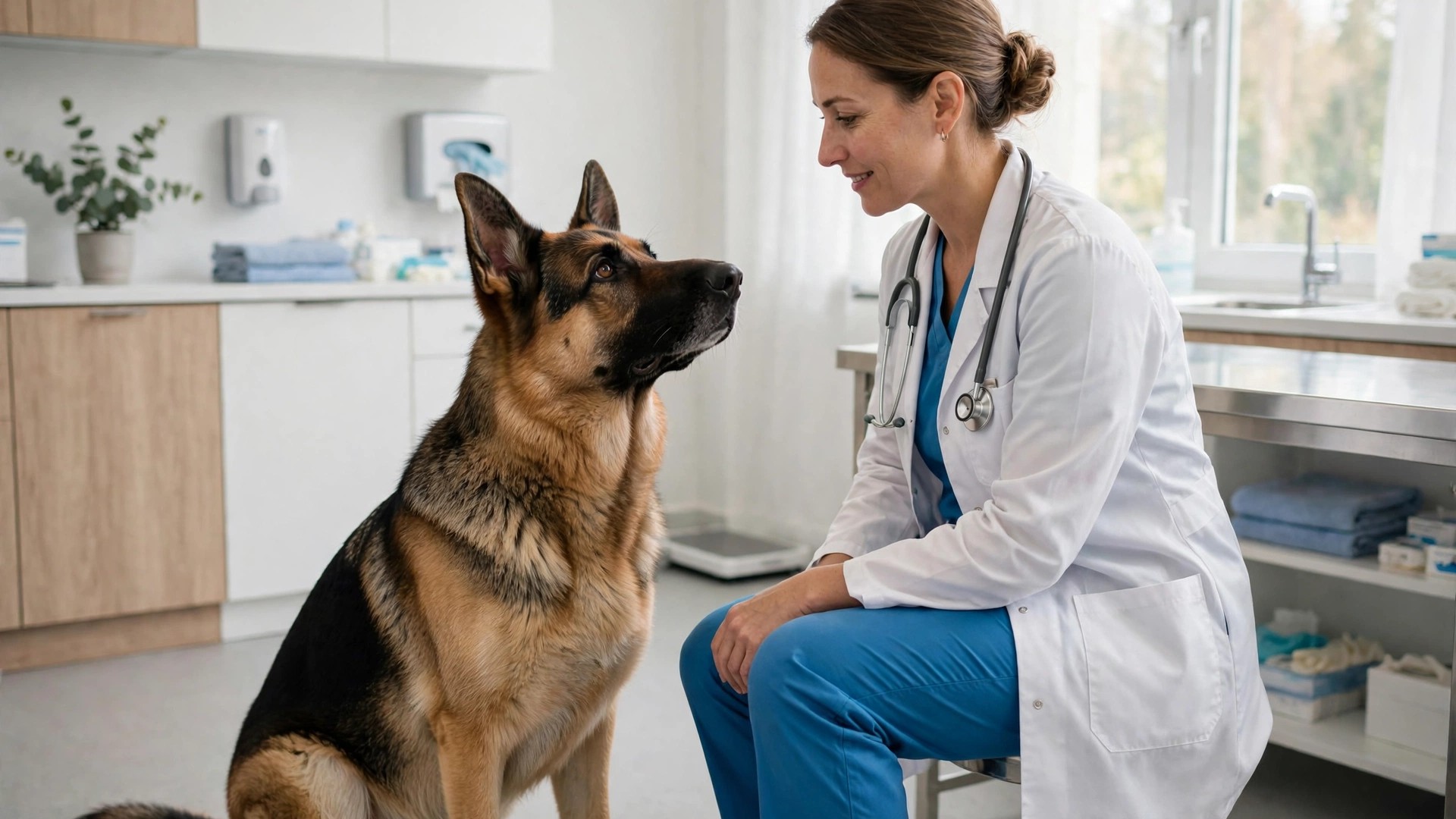
Keep them lean, keep them moving, and keep consulting your vet about joint support.
Recommended Products
Recommended
KONG Classic (Large)
The indestructible classic — stuff it with treats to tire out even the most energetic Shepherd.
Check Price on AmazonRecommended
Chuckit! Ultra Ball 2-pack (Large)
High-bounce, durable fetch balls that survive powerful jaws — perfect for daily exercise sessions.
Check Price on AmazonRecommended
Squishy Face Studio Flirt Pole
A 15-minute flirt-pole session burns more energy than an hour-long walk — ideal for high-drive Shepherds.
Check Price on AmazonThe Bottom Line: How Much Exercise Does a German Shepherd Need?
The best exercise plan is the one you’ll stick with. A few tips that work for real, busy owners:
- Anchor it to your schedule — morning outing before work, evening session after dinner.
- Combine activities — train during the walk, play fetch on the hike, feed breakfast in a puzzle toy.
- Count mental work — on busy days, a 20-minute training session plus a short walk keeps your dog sane.
- Track the trend — if your dog is restless, add 20 minutes; if they’re sore or lagging behind, scale back.
German Shepherds are partners, not decorations. Give them the job their bodies and brains were built for — movement, challenge, and purpose — and you’ll get back the most loyal, well-behaved dog you’ve ever known. Two hours a day is a fair trade for that.
Looking for more ways to keep your German Shepherd happy and healthy? Try our free dog age calculator to understand your dog’s life stage, use the dog calorie calculator to dial in feeding, or estimate the real cost of active dog ownership with our pet cost calculator.
Leave a Reply