
Disclosure: Pets Life Time participates in affiliate programs. Product links in this article may earn us a commission at no extra cost to you — it helps keep our content free. Learn more
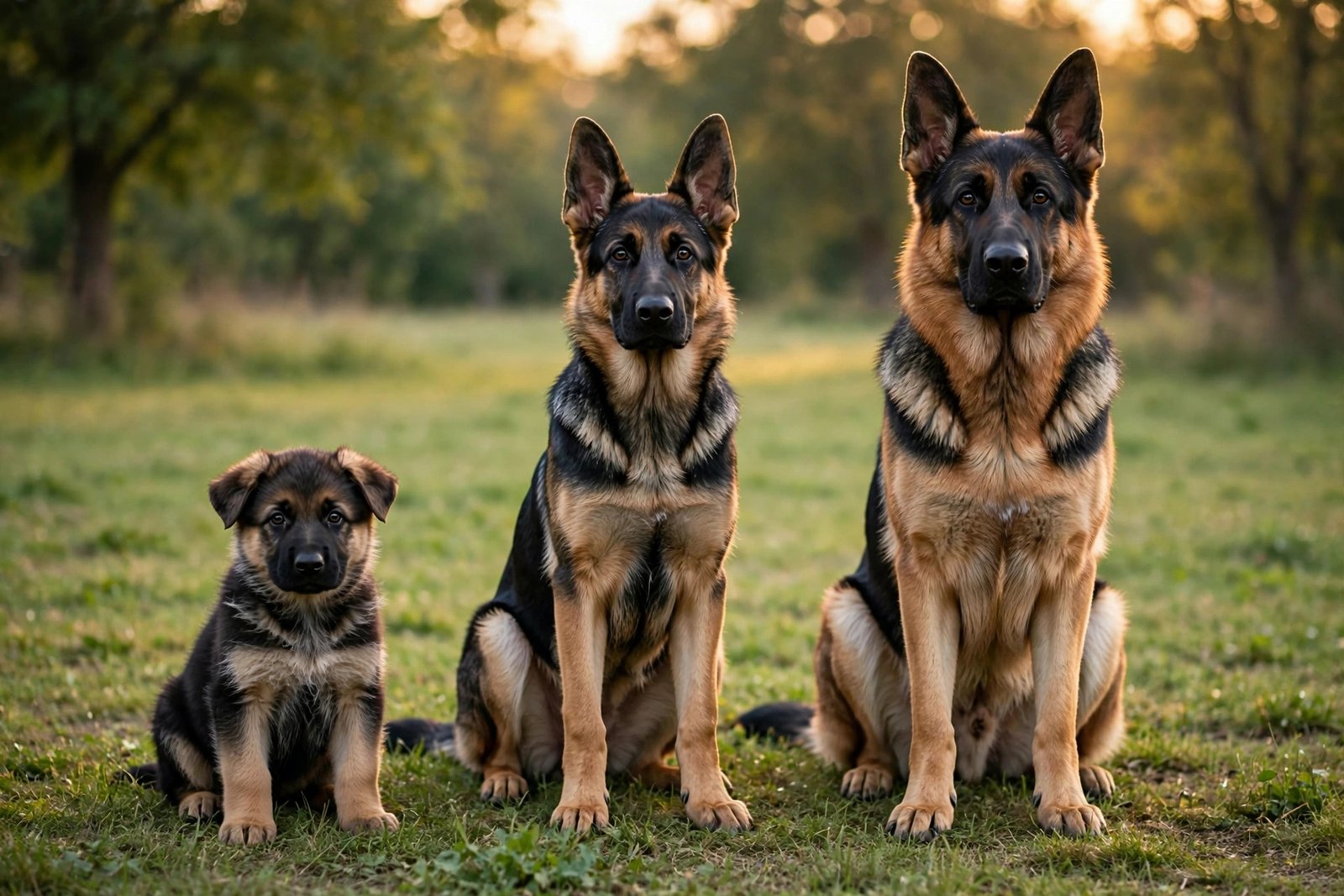
This German Shepherd weight chart tracks typical growth month by month, from an 8-week-old puppy to a full-grown adult at 24 months. Use it to check whether your puppy is on track — and read on for feeding guidelines, healthy-weight checks, and when to call your vet.
Table of Contents
Is your German Shepherd puppy the “right” size? It’s one of the most common questions German Shepherd owners ask — and one of the most confusing, because this breed grows fast, fills out late, and varies a lot between males and females and between show lines and working lines.
This month-by-month German Shepherd weight chart covers the whole journey from an 8-week-old puppy to a fully grown adult, plus how to tell whether your dog is at a healthy weight, what to feed at each stage, and when a weight change deserves a vet visit. Use it as a general guide — every dog is an individual, and your vet’s advice always comes first.
German Shepherd Weight Chart by Month
The German Shepherd weight chart below shows typical weight ranges for German Shepherd puppies month by month, up to two years. Every dog is an individual — use this as a guideline, not a strict rule.
| Age | Male | Female |
|---|---|---|
| 2 months | 16–20 lbs (7–9 kg) | 13–17 lbs (6–8 kg) |
| 3 months | 22–30 lbs (10–14 kg) | 17–24 lbs (8–11 kg) |
| 4 months | 35–44 lbs (16–20 kg) | 31–40 lbs (14–18 kg) |
| 5 months | 40–49 lbs (18–22 kg) | 35–44 lbs (16–20 kg) |
| 6 months | 53–64 lbs (24–29 kg) | 44–55 lbs (20–25 kg) |
| 7 months | 57–68 lbs (26–31 kg) | 48–59 lbs (22–27 kg) |
| 8 months | 62–72 lbs (28–33 kg) | 51–62 lbs (23–28 kg) |
| 9 months | 64–75 lbs (29–34 kg) | 53–64 lbs (24–29 kg) |
| 10 months | 66–77 lbs (30–35 kg) | 55–66 lbs (25–30 kg) |
| 11 months | 68–79 lbs (31–36 kg) | 57–68 lbs (26–31 kg) |
| 12 months | 70–82 lbs (32–37 kg) | 58–70 lbs (26–32 kg) |
| 18 months | 73–88 lbs (33–40 kg) | 60–73 lbs (27–33 kg) |
| 24 months (adult) | 75–95 lbs (34–43 kg) | 55–75 lbs (25–34 kg) |
Growth pattern to expect: German Shepherds grow rapidly until about 6–8 months, then the pace slows. Most reach close to their adult weight by 12–14 months but keep filling out until 18–24 months. Compare your puppy’s progress against the German Shepherd weight chart above at each monthly weigh-in.
Show line vs. working line: American/Canadian show-line Shepherds tend to be larger and heavier than working-line dogs, which are leaner and lighter. Check the German Shepherd weight chart above — working-line dogs often sit at the lower end of each range.
Adult German Shepherd Weight: What’s Normal?
According to the German Shepherd weight chart, a healthy adult German Shepherd typically weighs:
- Males: 75–95 lbs (34–43 kg)
- Females: 55–75 lbs (25–34 kg)
How to Tell If Your German Shepherd Is at a Healthy Weight
- Rib check: You should be able to feel the ribs easily under a thin layer of fat, but not see them prominently.
- Waist check: Look from above — there should be a visible waist tucking in behind the ribs.
- Side profile: The belly should tuck up behind the ribcage, not hang straight with the chest.
Why German Shepherds Gain or Lose Weight
- Overfeeding and too many treats. The most common cause of excess weight.
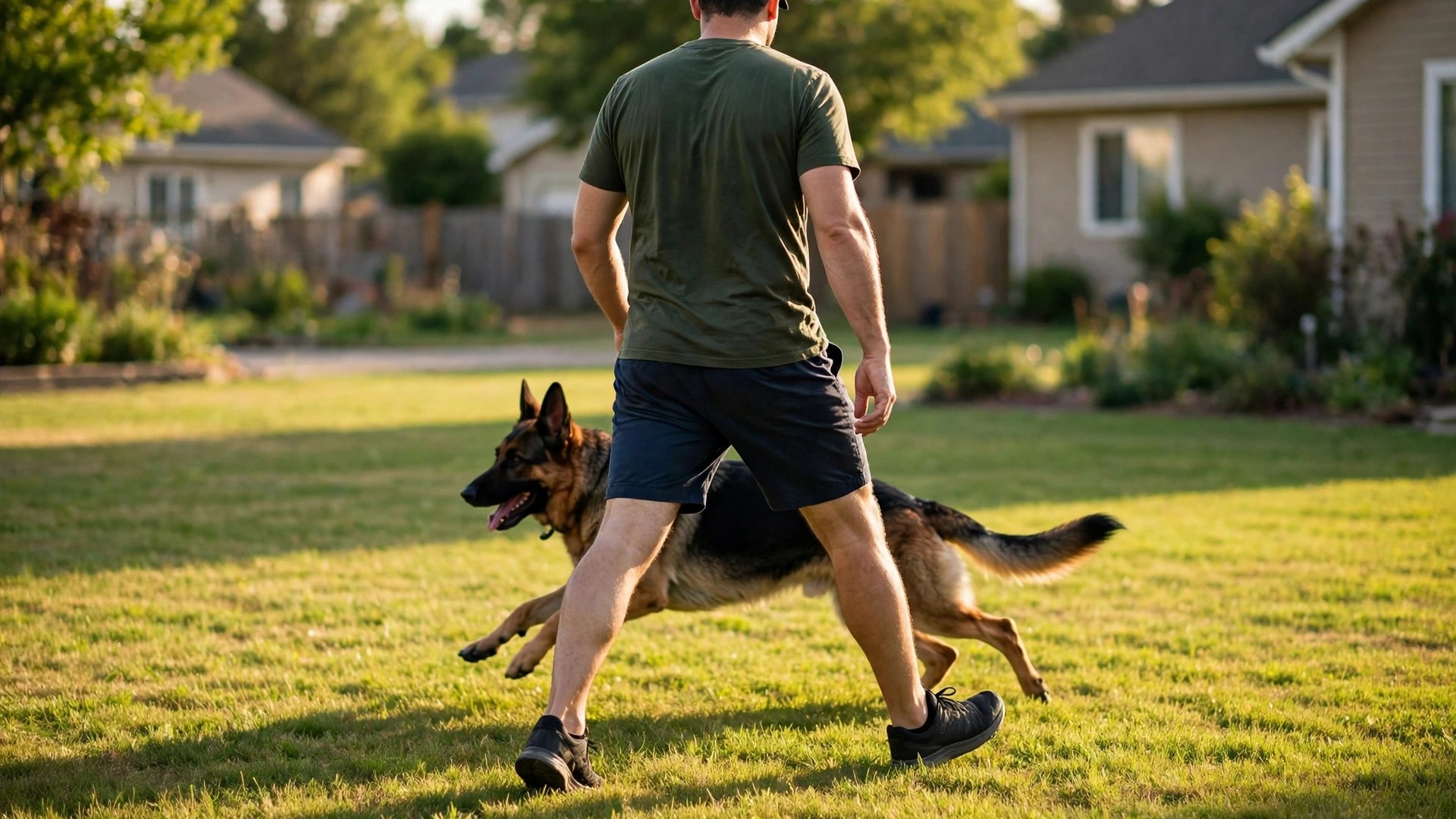
- Too little exercise. German Shepherds are high-energy working dogs.
- Neutering/spaying. Metabolism often drops slightly after the procedure.
- Age. Calorie needs drop as dogs reach senior years (around 7+ for Shepherds).
- Medical causes. Sudden unexplained weight change can signal thyroid or other issues — rapid weight loss always deserves a prompt vet visit.
How Much to Feed Your German Shepherd at Every Weight
You can calculate your dog’s daily calories in under a minute with our free dog calorie calculator.
- Measure every meal with a proper measuring cup or kitchen scale.
- Count treats in the daily total — no more than about 10% of daily calories.
- Feed puppies 3 meals a day until about 6 months, then transition to 2 meals daily.
- Weigh monthly during the first year and compare against the chart above.
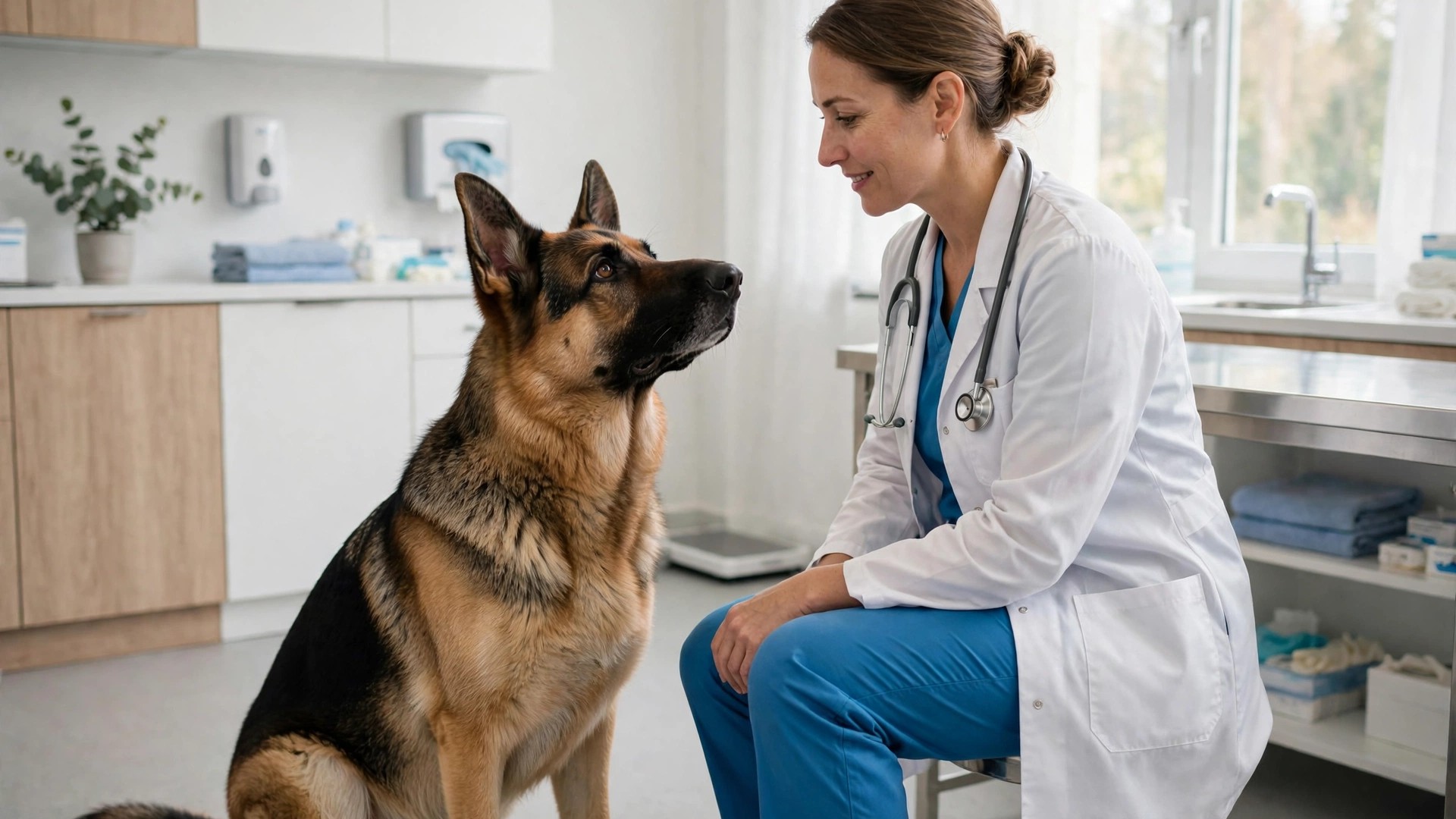
When to Call Your Vet About Weight
- Sudden or rapid weight loss, especially with reduced appetite, vomiting, or lethargy
- Steady weight gain despite correct portions and regular exercise
- A puppy far off the expected growth curve
- Any weight change paired with behavior changes
Frequently Asked Questions
How much should a 6-month-old German Shepherd weigh?
Most weigh between 44 and 64 lbs (20–29 kg), males higher, females lower.
When do German Shepherds stop growing?
Most adult height by 12 months; they keep filling out until about 18–24 months. See our full German Shepherd growth timeline for the details.
Is my German Shepherd overweight at 100 lbs?
Possibly, but not necessarily — use the rib and waist checks above or ask your vet for a body condition score.
How much should I feed my German Shepherd per day?
Use our dog calorie calculator for a personalized target.
Bookmark this German Shepherd weight chart and weigh your puppy monthly during the first year — comparing each weigh-in against the German Shepherd weight chart above is the simplest way to catch growth problems early. Pair the numbers with plenty of activity (see how much exercise a German Shepherd needs daily), and remember: use the German Shepherd weight chart as a guide, not a strict rule, and check with your vet if your puppy consistently falls far outside the ranges.
Recommended Products
Recommended
Royal Canin German Shepherd Adult Dry Dog Food
Breed-specific nutrition formulated for German Shepherds’ digestion, joints, and coat.
Check Price on AmazonRecommended
Blue Buffalo Life Protection Formula Large Breed
High-protein large-breed kibble with glucosamine for growing joints.
Check Price on AmazonRecommended
Etekcity Digital Pet Food Scale
Weigh every meal precisely — portion control is half the battle in weight management.
Check Price on AmazonThe Bottom Line
German Shepherd weight isn’t about hitting an exact number — it’s about keeping your dog lean, muscular, and comfortable. Use the chart as a roadmap, check body condition regularly, and loop in your vet whenever the trend looks off.

Leave a Reply