
Disclosure: Pets Life Time participates in affiliate programs. Product links in this article may earn us a commission at no extra cost to you — it helps keep our content free. Learn more
So you’re thinking about getting a puppy. You’ve picked the breed, imagined the cuddles, maybe even argued about names already. Then someone asks the awkward question: what will it actually cost? Not the price of the puppy. The whole first year. Food, vet visits, gear, training, the works. Here is the honest answer, with real numbers, so the puppy fund does not turn into a surprise fund.
The Short Answer: $3,000 to $9,000
For a first year with a typical puppy, most owners spend somewhere between $3,000 and $9,000. The range is wide because the two biggest variables swing it hard: where the puppy comes from, and how big it grows.
On the low end, a small shelter puppy on a tight budget can come in around $2,850 for the year. On the high end, a German Shepherd from a responsible breeder lands between $4,000 and $9,500 all-in, according to Embrace Pet Insurance’s German Shepherd cost breakdown. Same animal. Very different receipt.
Why the First Year Is the Expensive One
Two things collide in year one. You are buying every single supply from scratch, and you are paying for the heaviest vet stretch of the dog’s life: the full puppy vaccine series, plus often a spay or neuter, all inside the first 12 months. After that, costs settle into a calmer annual rhythm. Get through year one, and budgeting gets easier. Here is where the money actually goes.
The Full First-Year Breakdown
One-time costs:
| Expense | Typical cost |
|---|---|
| The puppy itself | $50–$500 (adoption) or $500–$4,000+ (breeder) |
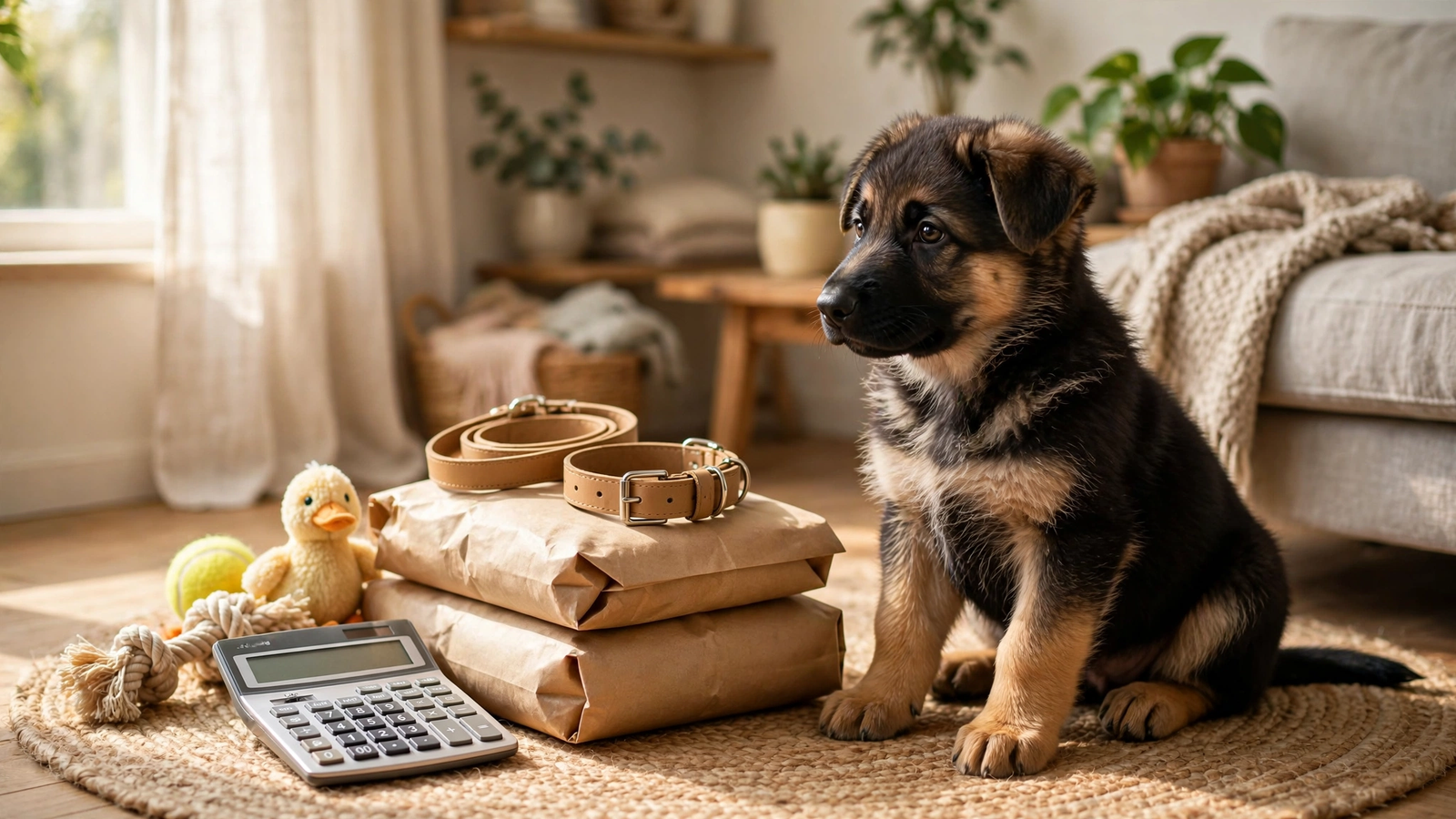
| Crate, bed, bowls, collar, leash, toys | $100–$300 |
| Vet exams + vaccine series | $300–$700 |
| Microchip | ~$45 |
| Spay/neuter | $85–$800 |
Recurring costs (year one):
| Expense | Typical cost |
|---|---|
| Puppy food | $600–$1,000 |
| Flea, tick, and heartworm prevention | $140–$450 |
| Pet insurance | $480–$900 |
| Training classes | $150–$400 (group); more for private |
| Treats, chews, replacement toys | $150–$300 |
And one more line item that is not optional in spirit: an emergency fund of about $1,000, set aside before the puppy arrives. Not for fun. For the 2 a.m. vet visit.
Vet Bills: The Part You Can’t Skip
Expect 3 to 4 vet visits in the first few months. The AKC’s puppy vaccination guide lays out the schedule: core shots at roughly 6, 10–12, and 14–16 weeks, plus rabies. VCA’s new-owner recommendations put the first vet visit at 6 to 8 weeks for a health exam and the start of vaccinations and parasite prevention.
This is not optional spending. One case of parvovirus, which Cornell’s veterinary school stresses every puppy should be vaccinated against, can turn into a hospitalization costing thousands. The vaccine series is the cheapest insurance you will ever buy. (This article covers costs, not medical advice. If your puppy looks sick, call your vet.)
Three Budget Traps New Owners Fall Into
1. The bargain puppy. $400 from an unlisted seller beats $1,500 from a breeder who health-tests? Only if you ignore year two. Poorly bred puppies carry higher odds of genetic problems like hip dysplasia, and surgical treatment runs $1,500 to $6,000 per joint. The cheap puppy is often the most expensive dog you will ever own.
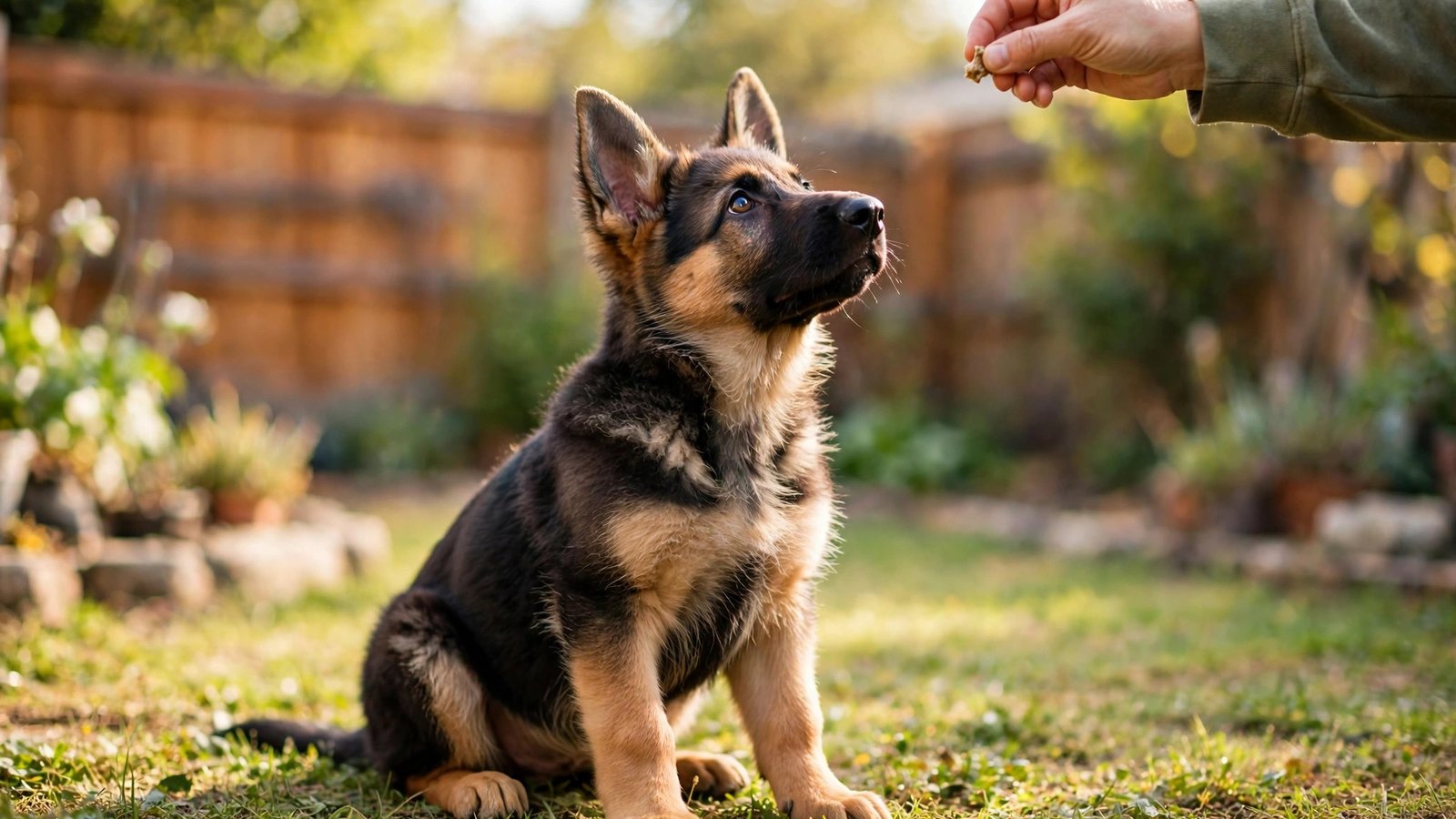
2. Skipping training. Training classes for a German Shepherd are not a luxury. They are a cost-control measure. An untrained 90-pound adolescent will eat your shoes, your doorframes, and your sanity. A few hundred dollars of group classes now beats a behaviorist at triple the price later. See our week-by-week puppy training schedule for what to cover and when.
3. Forgetting prevention. Flea, tick, and heartworm preventives feel like a subscription you could cancel. They are the cheapest vet bill you will ever have. A year of prevention costs a fraction of treating the disease it stops.
Three Ways to Keep Year One Under Control
1. Adopt when you can. Most shelter dogs come spayed or neutered, microchipped, and partly vaccinated. That wipes out hundreds in first-year vet costs in one move.
2. Run the real numbers before you commit. Our free pet cost calculator lets you plug in your own breed, food, and vet estimates and see the first-year total. Five minutes now beats a shock later.
3. Buy the crate once. A German Shepherd puppy doubles, triples, then quadruples in size. A crate with a divider panel grows with them. Cheap gear bought twice costs more than good gear bought once.
Products Worth Budgeting For in Year One
Recommended
Embark Breed + Health Kit Dog DNA Test
Know your puppy’s breed mix and genetic health risks in year one, so vet spending is a plan instead of a surprise.
Check Price on AmazonRecommended
Gamma2 Vittles Vault Outback Airtight Pet Food Container
Food is the biggest recurring cost. Buying the big bag in bulk and keeping it fresh is the easiest way to shrink it. Dial in portions first with our dog calorie calculator.
Check Price on AmazonRecommended
MidWest Homes for Pets XXL Dog Crate
The buy-once first-year staple for a growing German Shepherd: a sturdy crate with a divider panel that fits both the 8-week puppy and the 90-pound adult.
Check Price on AmazonFrequently Asked Questions
Does the first year really cost more than the later years?
Almost always. Year one stacks the purchase or adoption fee, full supplies, the vaccine series, and usually a spay or neuter on top of normal food and care. A healthy adult German Shepherd runs roughly $2,000–$5,000 a year after that.
Is pet insurance worth it for a puppy?
For a breed like the German Shepherd, the math often works. A large-breed puppy policy runs $40–$75 a month, and one emergency visit can wipe out years of premiums. That said, insurance is not magic. Read the exclusions, check the deductible, and only skip it if you genuinely have a solid emergency fund instead.
What is the one cost people underestimate most?
Training, and the emergency fund. Food and vet visits are expected. Classes and the $1,000 buffer are the lines people leave off the list, and they are the ones that hurt when they are missing.
A puppy is one of the best purchases you will ever make. It just should not be a surprise purchase. Budget the first year honestly, and you will spend the rest of the dog’s life enjoying them instead of recovering from the bill.
Leave a Reply